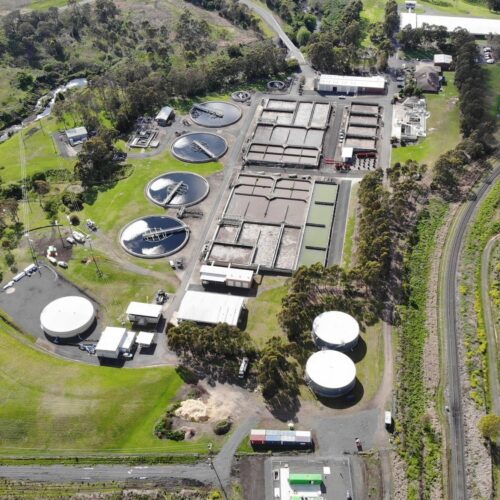

The Grafton Regional Landfill Gas Project is a long-term collaboration between LGI and Clarence Valley Council that continues to demonstrate how smart, sustainable partnerships can unlock powerful environmental and economic results.
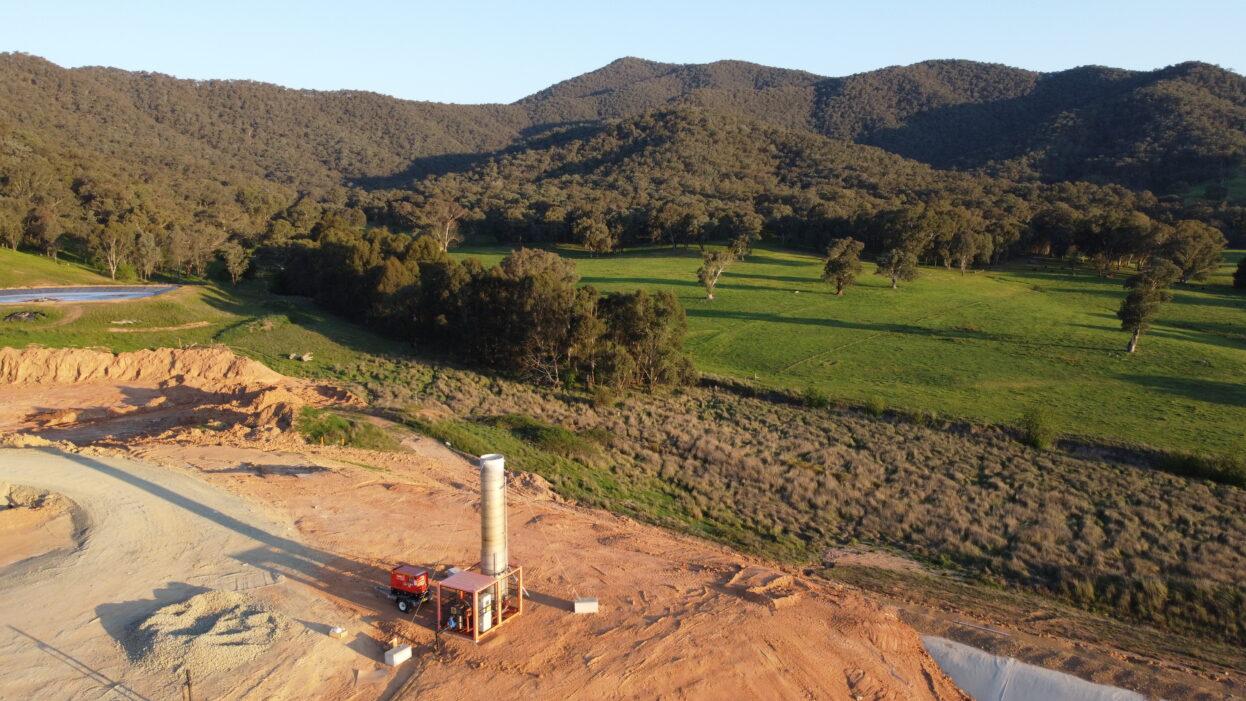
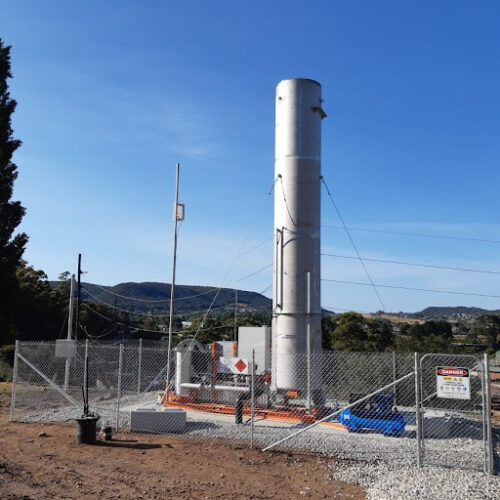
First commissioned in 2015, the project was significantly upgraded in 2025 with the installation of 12 vertical gas wells, 5 gas collection lines, and more than 800 metres of underground piping channelled into an enclosed, high-efficiency flaring unit. More upgrades are planned to keep increasing gas capture.
These enhancements, delivered under a new contract awarded in 2024, doubled the site’s methane capture rate, supporting the Council’s broader vision for net zero emissions.
Critically, this is a voluntary biogas capture project. There is no regulatory requirement, making it a proactive investment in climate action that generates Australian Carbon Credit Units (ACCUs), strengthens community health outcomes, and contributes to Australia’s national emissions reduction goals.
Project Snapshot
Long-term collaboration supporting the Clarence Valley Council to recover biogas and reduce methane related emissions from this small, regional landfill at the Grafton Waste Management Facility. This improves air quality, reduces greenhouse gas emissions and contributes to the local economy.
No regulatory requirement to capture biogas, however ACCUs enable additional carbon abatement (above its 30% baseline) from a commercially viable flaring project under the ACCU Method.
LGI 500 ERF compliant biogas flare and gas extraction infrastructure installed in 2015. In 2024, Council awarded a new contract to LGI involving a full service to enable even better results to be achieved from an upgraded gas extraction system.
Council benefits from a bespoke biogas management system at minimal cost.
LGI collaborates closely with the Council regarding the design, installation, expansion, operations and maintenance of the biogas collection and management system. LGI also provides monitoring, reporting and ACCU Method project management to deliver a fully streamlined service.

Biogas captured
Carbon abatement

Seedlings planted

Cars off the road

Reducing methane emissions is a win for both the environment and the community. This partnership brings us one step closer to our zero net emissions target at minimal cost to ratepayers.
– Cr. Ray Smith, Mayor, Clarence Valley Council
LGI’s carbon-cutting blueprint is becoming very popular throughout New South Wales as local governments, including Clarence Valley Council, look to capture biogas and decrease emissions in line with the Australian Government’s commitment to slash emissions by 43 per cent by 2030.
– Jarryd Doran, CEO, LGI
A Partnership Built for Long-Term Impact
Clarence Valley Council and LGI have worked together for more than a decade to deliver meaningful climate outcomes in a regional setting.
LGI manages the system end-to-end—including monitoring, reporting, maintenance and expansion and full ACCU project management—to ensure maximum performance, carbon abatement and streamlined ACCU creation.


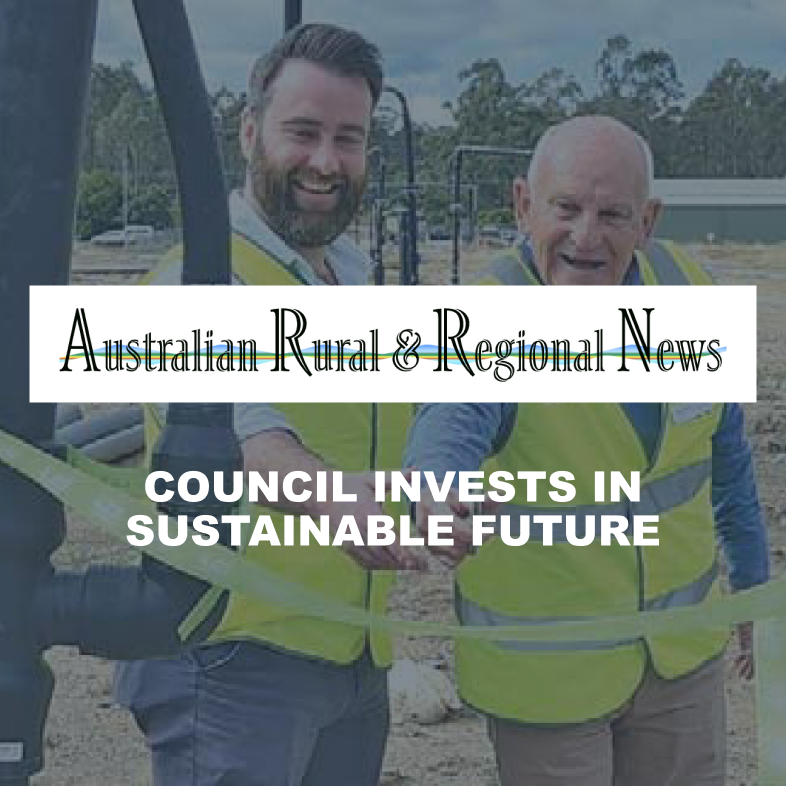
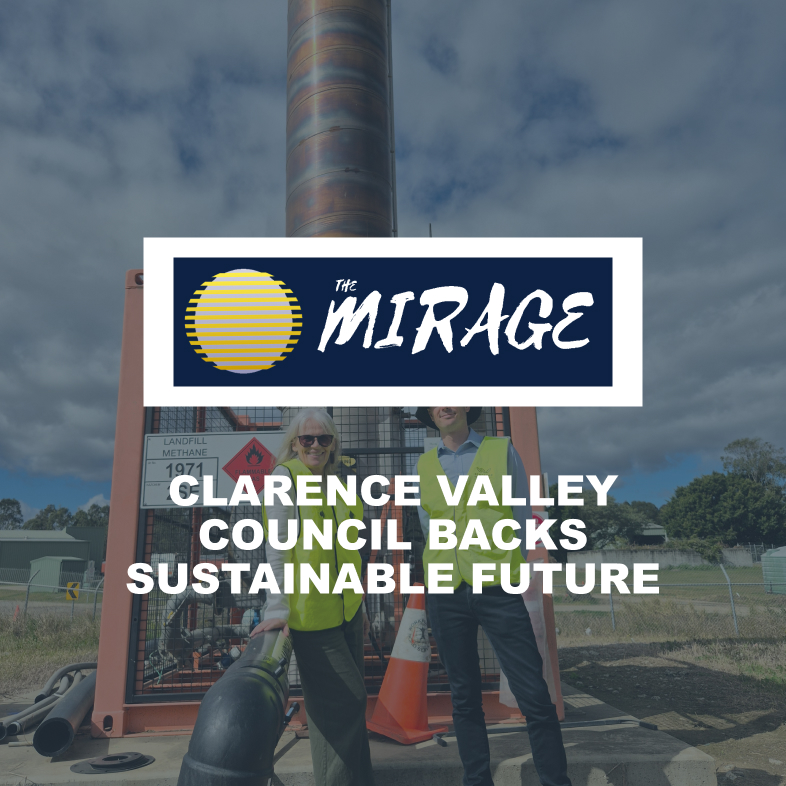
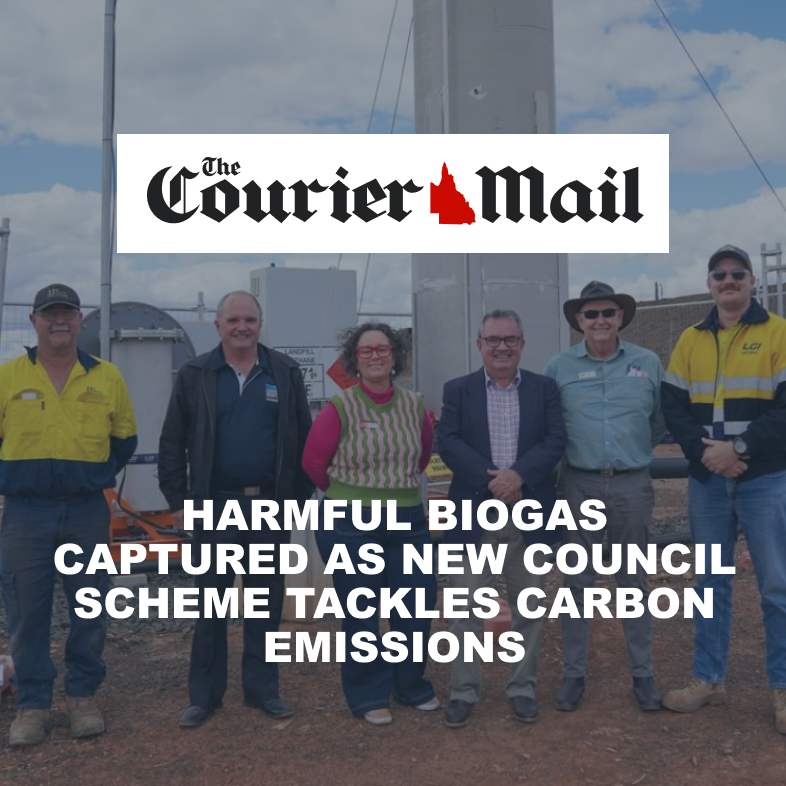
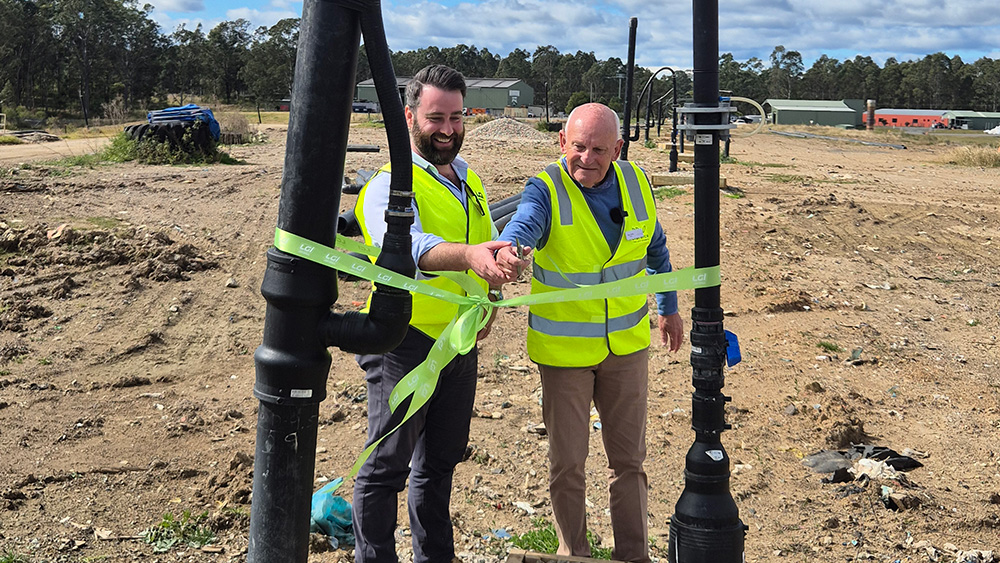 Clarence Valley Mayor, Ray Smith with Tom O'Connor from LGI, opening the 2025 upgrade project
The upgrade system provides:
-
100% increase in methane capture
-
Provided at minimal cost to ratepayers
-
Converts methane into less harmful CO2 to cut greenhouse gas emissions
-
Helps meet 2030 emissions targets
-
Ongoing royalty share of ACCUs to Council
-
Creates potential pathway to renewable energy
-
Improves local air quality and reduces landfill odours
Looking Ahead
With LGI continuing to expand and operate the system at Grafton, the site is well-positioned to maintain strong carbon abatement outcomes for years to come. This enduring partnership ensures the infrastructure will keep pace with the landfill’s changing conditions, enabling consistent performance, compliance with carbon credit methodologies, and greater environmental value over time. As the system evolves, Grafton remains a model for how regional landfills can take voluntary, cost-effective steps toward climate leadership.
We are collaboratively working with Council to increase gas capture and create a potential pathway to a renewable energy project.